When the calendar is double-booked and the inbox is overflowing, your instinct might be to claim you are "swamped." However, relying on generic clichés can backfire, making you sound disorganized rather than in demand. If you are looking for how to say extremely busy in a way that protects your time while maintaining your professional reputation, you need to move beyond complaints and focus on capacity and priorities.
The Cost of a Vague Schedule
Stating that you are "too busy" often shuts down collaboration without offering a clear path forward. It creates a barrier where the other person feels dismissed rather than informed. The goal is to signal that your resources are currently allocated to high-value tasks. This approach shifts the dynamic from making excuses to managing expectations. You are not avoiding work; you are managing your current bandwidth effectively.
Adopting a Communication Framework

Just as academic templates teach us to structure arguments, having a set script for declining requests helps you communicate with consistency and confidence. When you treat these interactions as formulas rather than emotional reactions, you remove the friction from the conversation. Using a standard framework ensures you deliver the necessary information—your current constraints and availability—without getting drawn into unnecessary details.
Direct Scripts for High-Pressure Moments
To execute this strategy effectively, replace vague comments with precise statements. Here are three high-impact alternatives to standard excuses:
- Prioritize the deadline: "I am currently at full capacity through Wednesday, but I can review this first thing Thursday morning."
- Highlight existing commitments: "My schedule is committed to the product launch this week, so I cannot take on new tasks until next Tuesday."
- Offer a limited scope: "I don't have time for a full call, but send over your specific questions and I can provide a quick email answer."
Setting Expectations Without Burning Bridges
The most valuable professionals understand that saying "no" is actually saying "yes" to their current top priorities. When you explain your workload using specific timeframes and constraints, you demonstrate control over your business. You stop being the bottleneck and become a gatekeeper of your own productivity. This clarity allows colleagues and clients to trust your word, knowing that when you do accept a task, you have the time to execute it well.
When the calendar is double-booked and the inbox is overflowing, your instinct might be to claim you are "swamped." However, relying on generic clichés can backfire, making you sound disorganized rather than in demand. If you are looking for how to say extremely busy in a way that protects your time while maintaining your professional reputation, you need to move beyond complaints and focus on capacity and priorities.
The Cost of a Vague Schedule
Stating that you are "too busy" often shuts down collaboration without offering a clear path forward. It creates a barrier where the other person feels dismissed rather than informed. The goal is to signal that your resources are currently allocated to high-value tasks. This approach shifts the dynamic from making excuses to managing expectations. You are not avoiding work; you are managing your current bandwidth effectively.
Adopting a Communication Framework
Just as academic templates teach us to structure arguments, having a set script for declining requests helps you communicate with consistency and confidence. When you treat these interactions as formulas rather than emotional reactions, you remove the friction from the conversation. Using a standard framework ensures you deliver the necessary information—your current constraints and availability—without getting drawn into unnecessary details.
Direct Scripts for High-Pressure Moments
To execute this strategy effectively, replace vague comments with precise statements. Here are three high-impact alternatives to standard excuses:
- Prioritize the deadline: "I am currently at full capacity through Wednesday, but I can review this first thing Thursday morning."
- Highlight existing commitments: "My schedule is committed to the product launch this week, so I cannot take on new tasks until next Tuesday."
- Offer a limited scope: "I don't have time for a full call, but send over your specific questions and I can provide a quick email answer."
Setting Expectations Without Burning Bridges
The most valuable professionals understand that saying "no" is actually saying "yes" to their current top priorities. When you explain your workload using specific timeframes and constraints, you demonstrate control over your business. You stop being the bottleneck and become a gatekeeper of your own productivity. This clarity allows colleagues and clients to trust your word, knowing that when you do accept a task, you have the time to execute it well.
Do They Say Y All In Arizona At Rita Pablo Blog

Do They Say Y All In Arizona at Rita Pablo blog
The Ultimate Guide: How To Say "Shrimp" In Spanish - Everything You

The Ultimate Guide: How to Say "Shrimp" in Spanish - Everything You ...
Say Please And Thank You Clipart
Say Please And Thank You Clipart
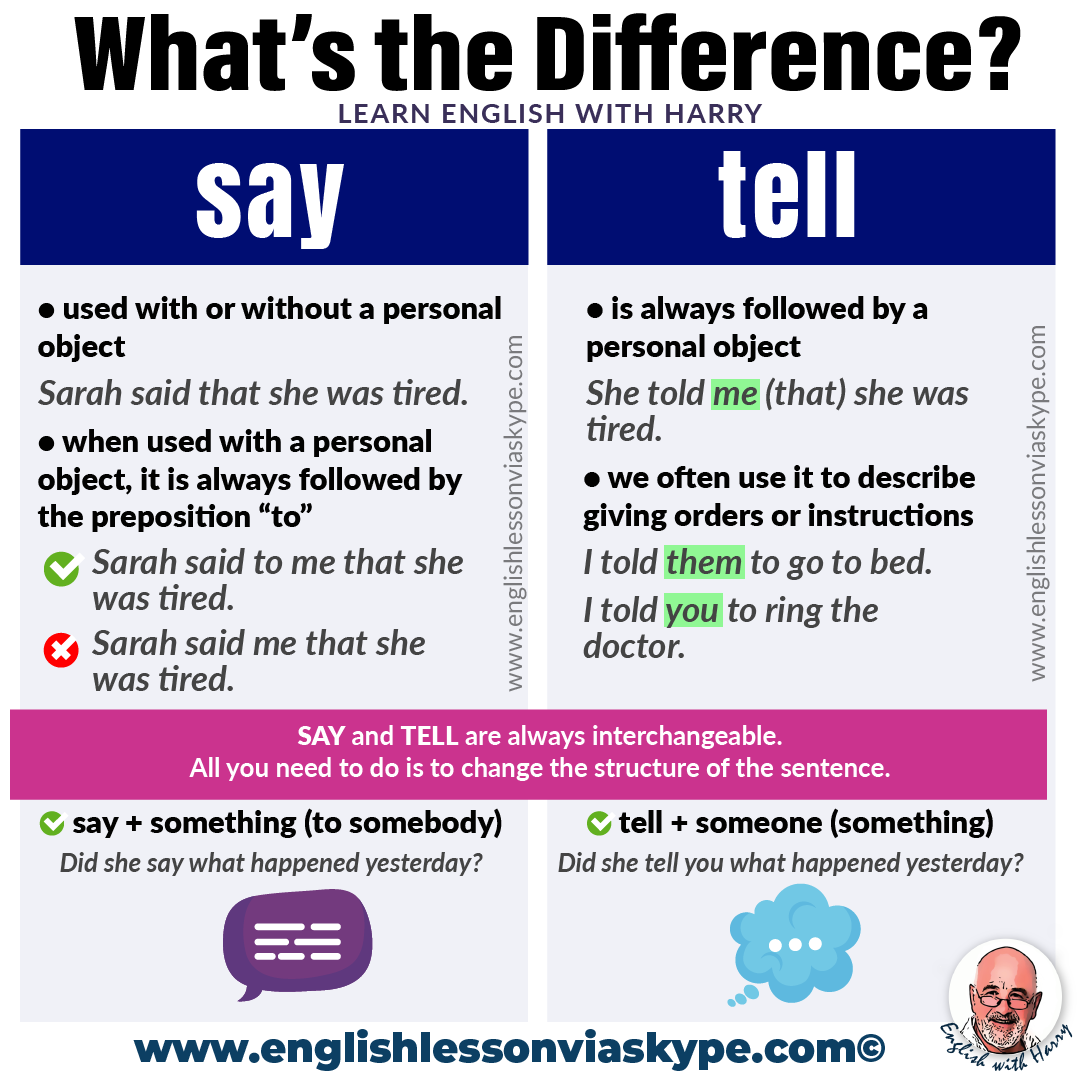
Diferencia Entre Said Y Told En Inglés. Diferenciando – UXDNYH

Diferencia Entre Said Y Told En Inglés. Diferenciando – UXDNYH