When you hear someone call a friend a “busy idiot,” the phrase can feel both playful and puzzling. For experienced hobbyists—whether you’re juggling woodworking projects, garden plots, or DIY electronics—grasping this slang term helps you navigate banter, avoid misunderstandings, and even use the expression to your advantage in community forums.
What “Busy Idiot” Really Means
In contemporary American slang, a “busy idiot” describes someone who is constantly active, often juggling many tasks, yet appears to lack focus or common sense. The phrase mixes admiration for the person’s energy (“busy”) with a tongue‑in‑cheek critique of their decision‑making (“idiot”). It’s typically used affectionately among peers who recognize the subject’s enthusiasm but see room for better organization.
Why the Term Trips Up Hobbyists
Many hobbyists pride themselves on multitasking—planning a build, sourcing parts, and documenting progress simultaneously. When a fellow crafter labels you a “busy idiot,” you might wonder if it’s a genuine insult or a friendly nudge. Misreading the tone can lead to unnecessary friction, especially in online groups where tone of voice is absent.
Turn the Label into a Productivity Boost
Instead of taking the phrase at face value, use it as a diagnostic tool. Ask yourself:
- Am I spreading myself too thin? Identify projects that compete for the same resources.
- Do I skip critical steps? Create a checklist for each hobby to catch overlooked details.
- Is my enthusiasm clouding judgment? Schedule weekly reviews to align tasks with realistic timelines.
By treating “busy idiot” as feedback, you convert a casual jab into a concrete improvement plan.
Communicating Clearly to Avoid Mislabeling
When you need to point out a colleague’s scattered focus, phrasing matters. Rather than saying “You’re a busy idiot,” try:
- “I love your energy, but could we narrow down the priorities for this build?”
- “Your project timeline looks ambitious—let’s map out the critical path together.”
- “It seems we’re juggling several ideas; maybe we should focus on one for now.”
These alternatives preserve the camaraderie while steering the conversation toward constructive outcomes.
Visual Metaphor: The Paper‑Making Process
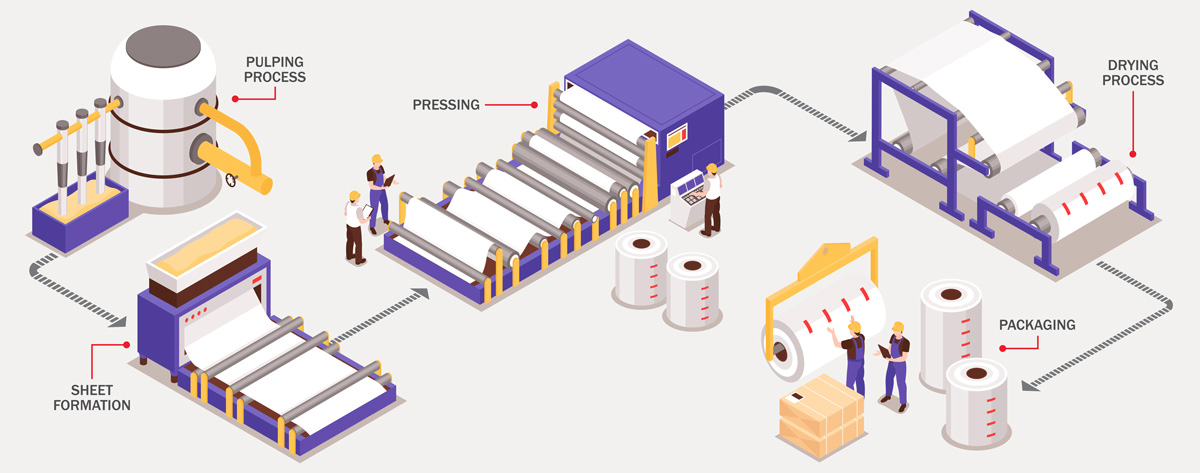
The image above illustrates a paper‑making line where fibers are constantly moving, yet the process stalls without proper coordination. A “busy idiot” is much like that line—lots of motion, but without a clear direction, the output suffers. Aligning each step, just as a mill aligns its rollers, turns chaotic activity into quality results.
Practical Steps to Shed the “Busy Idiot” Stigma
Implement these habits to demonstrate focus without sacrificing enthusiasm:
- Set daily micro‑goals. Instead of tackling an entire project, define one measurable outcome per session.
- Use visual project boards. Kanban or Trello boards let you see work‑in‑progress at a glance, reducing the feeling of endless busyness.
- Schedule buffer time. Allocate 10‑15 minutes between tasks for reflection; this prevents the “rush‑through‑everything” trap.
- Solicit peer reviews. A quick check‑in with a trusted hobbyist can catch oversights before they become costly mistakes.
Adopting these strategies not only quiets the “busy idiot” label but also boosts the quality of your creations.
When you hear someone call a friend a “busy idiot,” the phrase can feel both playful and puzzling. For experienced hobbyists—whether you’re juggling woodworking projects, garden plots, or DIY electronics—grasping this slang term helps you navigate banter, avoid misunderstandings, and even use the expression to your advantage in community forums.
What “Busy Idiot” Really Means
In contemporary American slang, a “busy idiot” describes someone who is constantly active, often juggling many tasks, yet appears to lack focus or common sense. The phrase mixes admiration for the person’s energy (“busy”) with a tongue‑in‑cheek critique of their decision‑making (“idiot”). It’s typically used affectionately among peers who recognize the subject’s enthusiasm but see room for better organization.
Why the Term Trips Up Hobbyists
Many hobbyists pride themselves on multitasking—planning a build, sourcing parts, and documenting progress simultaneously. When a fellow crafter labels you a “busy idiot,” you might wonder if it’s a genuine insult or a friendly nudge. Misreading the tone can lead to unnecessary friction, especially in online groups where tone of voice is absent.
Turn the Label into a Productivity Boost
Instead of taking the phrase at face value, use it as a diagnostic tool. Ask yourself:
- Am I spreading myself too thin? Identify projects that compete for the same resources.
- Do I skip critical steps? Create a checklist for each hobby to catch overlooked details.
- Is my enthusiasm clouding judgment? Schedule weekly reviews to align tasks with realistic timelines.
By treating “busy idiot” as feedback, you convert a casual jab into a concrete improvement plan.
Communicating Clearly to Avoid Mislabeling
When you need to point out a colleague’s scattered focus, phrasing matters. Rather than saying “You’re a busy idiot,” try:
- “I love your energy, but could we narrow down the priorities for this build?”
- “Your project timeline looks ambitious—let’s map out the critical path together.”
- “It seems we’re juggling several ideas; maybe we should focus on one for now.”
These alternatives preserve the camaraderie while steering the conversation toward constructive outcomes.
Visual Metaphor: The Paper‑Making Process
The image above illustrates a paper‑making line where fibers are constantly moving, yet the process stalls without proper coordination. A “busy idiot” is much like that line—lots of motion, but without a clear direction, the output suffers. Aligning each step, just as a mill aligns its rollers, turns chaotic activity into quality results.
Practical Steps to Shed the “Busy Idiot” Stigma
Implement these habits to demonstrate focus without sacrificing enthusiasm:
- Set daily micro‑goals. Instead of tackling an entire project, define one measurable outcome per session.
- Use visual project boards. Kanban or Trello boards let you see work‑in‑progress at a glance, reducing the feeling of endless busyness.
- Schedule buffer time. Allocate 10‑15 minutes between tasks for reflection; this prevents the “rush‑through‑everything” trap.
- Solicit peer reviews. A quick check‑in with a trusted hobbyist can catch oversights before they become costly mistakes.
Adopting these strategies not only quiets the “busy idiot” label but also boosts the quality of your creations.