In the modern workplace, "busy" has become a placeholder that often conveys little meaning. It stops conversation rather than managing expectations. Knowing how to say busy in other words allows you to signal your availability, protect your focus, and maintain professional relationships with greater nuance. This guide breaks down the decision-making process for choosing the right synonym based on context and intent.
Establishing Professional Boundaries
When you need to defer a request without appearing dismissive, the vocabulary you choose should imply firmness combined with availability at a later date. "Busy" suggests a chaotic state, whereas strategic alternatives suggest a managed schedule. If you are currently occupied but can address the issue later, consider these options:
- Tied up: Implies a temporary entanglement, suggesting you will be free shortly.
- Currently engaged: A formal, neutral way to state you are in the middle of a specific task.
- With a client: Provides a concrete reason for your silence that colleagues are unlikely to question.
Signaling Deep Work and Focus
For the trend-aware professional, the goal is often to communicate unavailability without signaling stress. In an era of deep work, you want colleagues to know you are not ignoring them, but rather prioritizing high-value output. Here, "busy" is counterproductive; it sounds like a complaint. Instead, use terms that frame your unavailability as a strategic advantage:
- Heads down: Indicates a temporary period of intense concentration.
- In the zone: Suggests a flow state where interruptions would be costly to your productivity.
- On a deadline: Universally understood as a "do not disturb" signal that requires no further explanation.
Differentiating Overwhelm from Capacity
There is a distinct analytical difference between being fully utilized and being overcapacity. If your team asks for your bandwidth and you are at your limit, saying you are "busy" might result in more work being assigned anyway because it lacks urgency. You need vocabulary that accurately reflects resource scarcity.
- At capacity: Indicates you are fully booked but functioning normally.
- Swamped: Suggests you are struggling to keep up with the current volume.
- Buried: Implies a backlog that may impact deadlines; useful for flagging risk early.
Softening Social Refusals
Outside of strict work deliverables, you may need to decline social invitations or non-essential meetings. The analytical approach here is to decline without burning bridges. The phrase "too busy" can feel like a personalized rejection. Pivot to external constraints or timing conflicts instead.
- Booked solid: Removes emotion from the refusal, presenting it as a logistical fact.
- Double-booked: A classic excuse that acknowledges the value of the request but cites a scheduling conflict.
- Trying to wrap up: Indicates you are in a closing phase and cannot start something new.
In the modern workplace, "busy" has become a placeholder that often conveys little meaning. It stops conversation rather than managing expectations. Knowing how to say busy in other words allows you to signal your availability, protect your focus, and maintain professional relationships with greater nuance. This guide breaks down the decision-making process for choosing the right synonym based on context and intent.
Establishing Professional Boundaries
When you need to defer a request without appearing dismissive, the vocabulary you choose should imply firmness combined with availability at a later date. "Busy" suggests a chaotic state, whereas strategic alternatives suggest a managed schedule. If you are currently occupied but can address the issue later, consider these options:
- Tied up: Implies a temporary entanglement, suggesting you will be free shortly.
- Currently engaged: A formal, neutral way to state you are in the middle of a specific task.
- With a client: Provides a concrete reason for your silence that colleagues are unlikely to question.
Signaling Deep Work and Focus
For the trend-aware professional, the goal is often to communicate unavailability without signaling stress. In an era of deep work, you want colleagues to know you are not ignoring them, but rather prioritizing high-value output. Here, "busy" is counterproductive; it sounds like a complaint. Instead, use terms that frame your unavailability as a strategic advantage:
- Heads down: Indicates a temporary period of intense concentration.
- In the zone: Suggests a flow state where interruptions would be costly to your productivity.
- On a deadline: Universally understood as a "do not disturb" signal that requires no further explanation.
Differentiating Overwhelm from Capacity
There is a distinct analytical difference between being fully utilized and being overcapacity. If your team asks for your bandwidth and you are at your limit, saying you are "busy" might result in more work being assigned anyway because it lacks urgency. You need vocabulary that accurately reflects resource scarcity.
- At capacity: Indicates you are fully booked but functioning normally.
- Swamped: Suggests you are struggling to keep up with the current volume.
- Buried: Implies a backlog that may impact deadlines; useful for flagging risk early.
Softening Social Refusals
Outside of strict work deliverables, you may need to decline social invitations or non-essential meetings. The analytical approach here is to decline without burning bridges. The phrase "too busy" can feel like a personalized rejection. Pivot to external constraints or timing conflicts instead.
- Booked solid: Removes emotion from the refusal, presenting it as a logistical fact.
- Double-booked: A classic excuse that acknowledges the value of the request but cites a scheduling conflict.
- Trying to wrap up: Indicates you are in a closing phase and cannot start something new.
Say Please And Thank You Clipart
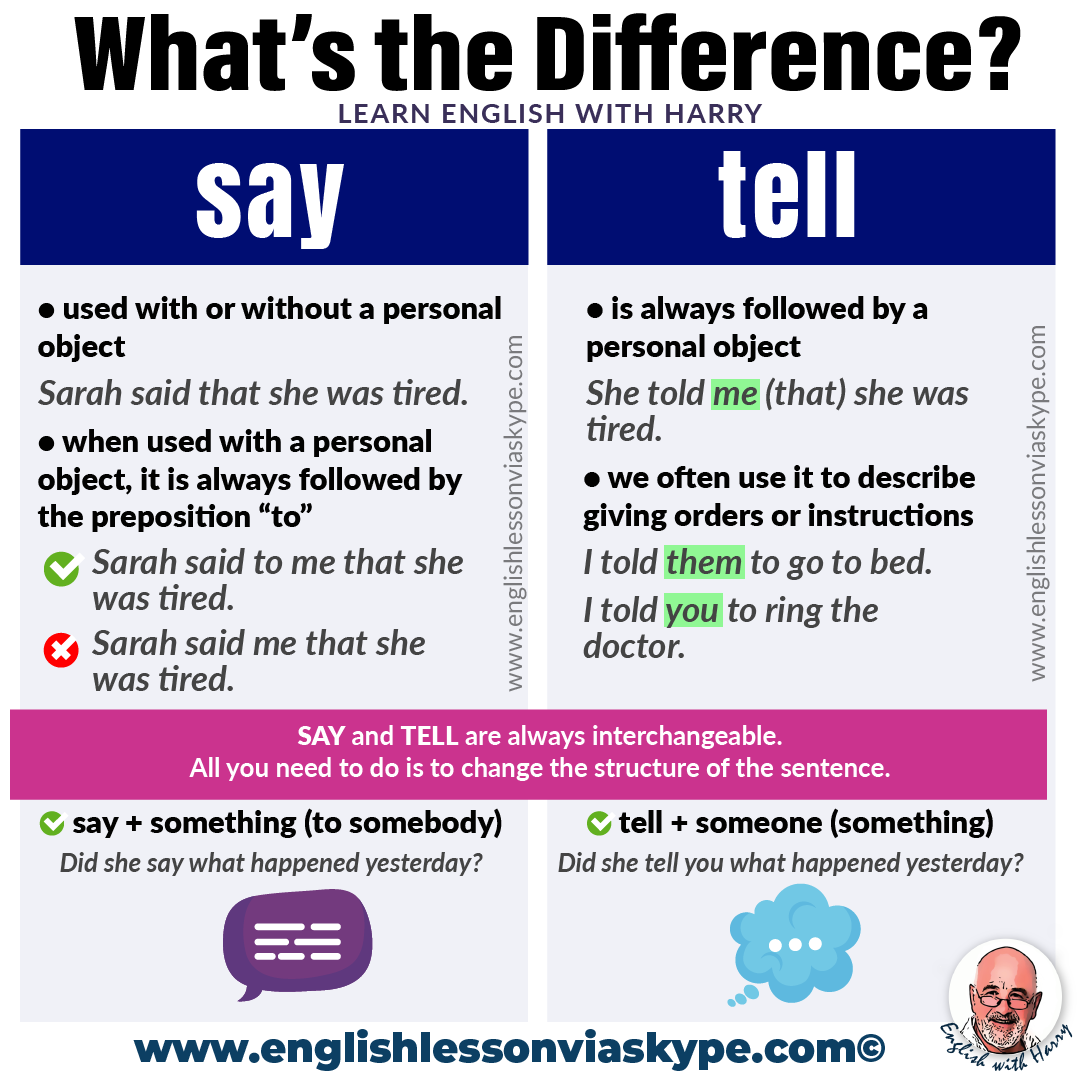
Say Please And Thank You Clipart
Do They Say Y All In Arizona At Rita Pablo Blog
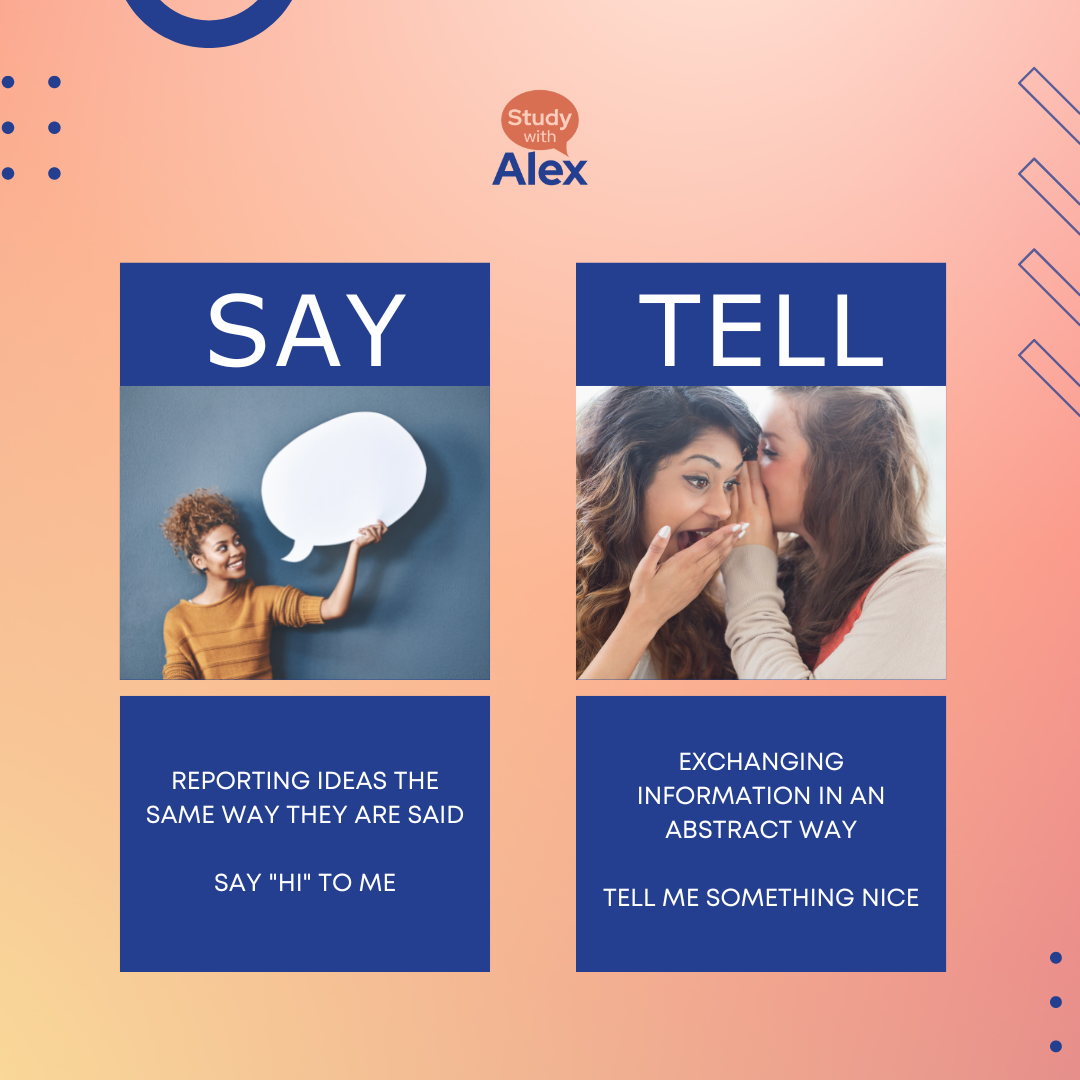
Do They Say Y All In Arizona at Rita Pablo blog
Diferencia Entre Said Y Told En Inglés. Diferenciando – UXDNYH

Diferencia Entre Said Y Told En Inglés. Diferenciando – UXDNYH
The Ultimate Guide: How To Say "Shrimp" In Spanish - Everything You

The Ultimate Guide: How to Say "Shrimp" in Spanish - Everything You ...
"They Say / I Say"

"They Say / I Say"